

Welcome to the digital underground, where traffic flows like a river, and the most cunning marketers and security pros learn to steer it away from prying eyes.
If you’ve ever tried to mask a landing page, protect a high‑value funnel, or simply keep bots, competitors, and malicious crawlers from sniffing out your secret offers, you know that the line between “visible” and “invisible” is both a blessing and a battlefield. That’s where cloaking and traffic‑filtering platforms step in: they let you present one version of a page to genuine visitors while serving an entirely different copy to search engines, scrapers, or unwanted traffic. Done right, they protect your ROI, safeguard your brand, and keep your conversion rates soaring. Done wrong, they can trigger penalties, slow page speed, and erode trust.
In the whirlwind of tools vying for attention, some promising “instant stealth,” others boasting “AI‑driven bot detection”—choosing the right platform feels like navigating a maze blindfolded. Which solution truly balances precision, speed, and compliance? Which services integrate seamlessly with your stack, scale with traffic spikes, and stay ahead of ever‑evolving detection algorithms?
That’s exactly what we’re about to unpack.
In the next few minutes, we’ll take you through a curated, battle‑tested list of the Top 10 Best Cloaking and Traffic Filtering Platforms, from industry veterans that power Fortune 500 e‑commerce sites to up‑and‑coming startups that pack advanced machine‑learning shields into a single dashboard. Expect a clear snapshot of each tool’s core features, pricing sweet spots, real‑world use cases, and the pros and cons that matter most to marketers, SEOs, and security teams alike.
Ready to pull the curtain back on the hidden heroes of the web? Let’s dive into the tech that lets you control who sees what, when, and how, so you can focus on what truly matters: turning traffic into revenue without the noise.
What is cloaking?
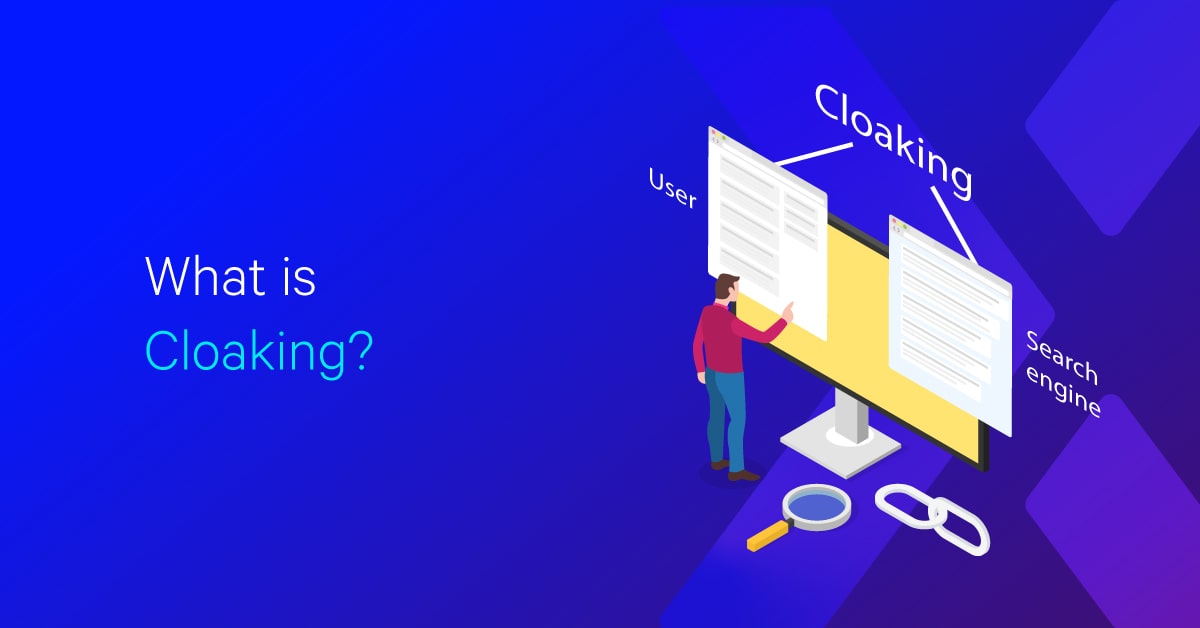
Cloaking is a deceptive digital technique where a website, ad, or piece of content shows different information to users than to search engine crawlers (like Googlebot) or ad platform reviewers.
In Simple Terms:
Imagine a store with a legal, family-friendly front window displayed to inspectors (search engines), but inside, illegal or completely different goods are sold to actual customers. That’s cloaking.
How It Works Technically:
When you visit a site, the server checks who or what is requesting the page:
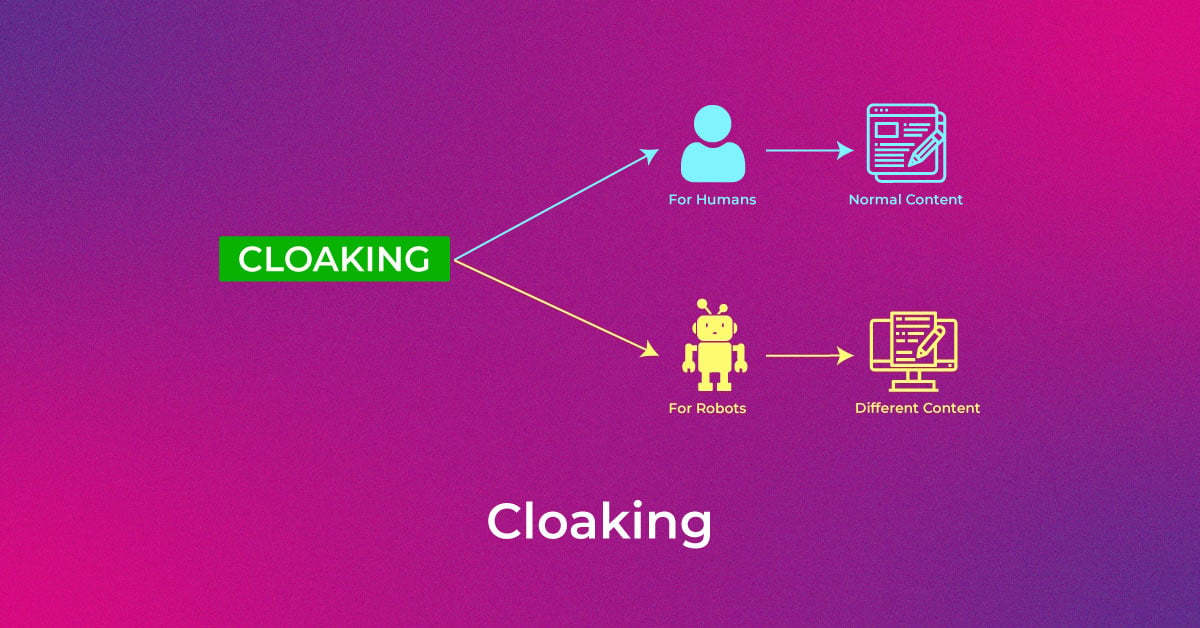
- If it detects a search engine bot or ad platform reviewer, it serves specially crafted, compliant content optimized for rankings or approval.
- If it detects a human user, it serves different (often low-quality, spammy, or non-compliant) content.
This detection is based on IP address, user-agent strings, HTTP headers, or even behavior patterns.
Common Examples of Cloaking:
- Search Engine (SEO) Cloaking:
- To Googlebot: A page stuffed with keywords about “weight loss pills.”
- To users: A page selling unregulated prescription drugs.
- Ad Platform Cloaking:
- To Facebook’s ad reviewer: A simple landing page about financial education.
- To clicked users: A high-risk cryptocurrency scam or gambling site.
- Affiliate Link Cloaking (less deceptive form):
- Hiding long, ugly affiliate links behind cleaner URLs (this is common and often acceptable unless used to hide violations).
Why Do People Use Cloaking? (The Motives)
- To rank for competitive keywords they couldn’t rank for with their real content.
- To run ads for products/services that would normally be rejected (gambling, adult content, pharmaceuticals, scams).
- To hide malicious activity like phishing, malware distribution, or spam.
- To protect affiliate links from being stolen or replaced (the legitimate use case).
What Are Cloaking and Traffic Filtering Platforms?
Cloaking and Traffic Filtering Platforms are specialized software services that control who sees what content on a website or in a digital campaign. They work by analyzing incoming web traffic in real-time and making instant decisions about where to send that traffic or what content to show, based on predefined rules.
Think of them as high-tech digital bouncers and directors that:
- Identify who’s at the door (analyze visitor characteristics)
- Check their credentials (verify signals like IP, device, behavior)
- Decide where to send them (filter, redirect, or show specific content)
How They Work: The Technical Core
These platforms typically operate using this process:
- Traffic Detection – A visitor clicks a link or arrives at a website
- Signal Analysis – The platform instantly checks:
- IP address & geolocation
- Device type (mobile/desktop/tablet)
- Browser & operating system
- HTTP headers and other technical fingerprints
- Whether the request comes from a known bot or search engine crawler
- Rule Processing – Compares signals against your configured rules
- Instant Action – Delivers content, redirects, or blocks within milliseconds
The Two Faces: Legitimate vs. Black-Hat Applications
LEGITIMATE USES (Ethical Traffic Filtering)
These applications are generally acceptable and valuable:
- Bot & Fraud Protection
- Blocking malicious bots, scrapers, and click farms
- Preventing distributed denial-of-service (DDoS) attacks
- Stopping ad click fraud before it costs you money
- Geographic Compliance & Licensing
- Redirecting users from countries where your service isn’t available
- Showing different content to comply with regional laws (like GDPR in EU vs. US)
- Managing digital rights based on licensed territories
- Enhanced User Experience
- Showing mobile-optimized content to mobile users
- Serving different language versions based on browser settings
- Customizing content for logged-in vs. anonymous users
- Affiliate Link Protection
- Preventing affiliate links from being hijacked or stolen
- Safeguarding commission revenue from “cookie stuffing”
- A/B Testing & Segmentation
- Showing different page versions to test conversion rates
- Tailoring offers based on device or traffic source (without deception)
BLACK-HAT USES (Unethical Cloaking)
These violate search engine and advertising platform policies:
- Search Engine Cloaking
- Showing optimized, keyword-stuffed content to Googlebot
- Showing completely different (often spammy) content to human visitors
- This is what most people immediately think of when they hear “cloaking”
- Ad Platform Deception
- Showing compliant, “safe” landing pages to ad reviewers
- Showing violating content (gambling, adult, scams) to actual clickers
- Affiliate Fraud
- Hiding affiliate links from users or replacing others’ affiliate IDs
- Showing fake content to users while tracking them for commission
Key Features of These Platforms
- Rule-Based Logic – “If visitor is from Country X using Device Y, then do Z”
- Bot Detection – Distinguishing humans from automated traffic
- IP Intelligence – Databases of VPNs, data centers, malicious IPs
- Device Fingerprinting – Identifying devices beyond simple cookies
- Real-Time Analytics – Dashboards showing who’s being filtered/redirected
- Session Recording – Some platforms record visits to analyze behavior
The Critical Distinction
The technology itself is neutral, it’s a powerful tool for controlling digital experiences. The application determines its ethical standing:
- Traffic Filtering (generally ethical): “Block all bot traffic from Russian IPs that’s scraping our prices”
- Cloaking (often unethical): “Show Google a legitimate article about weight loss, but show human visitors a page selling unregulated supplements”
Why They’re Controversial
- Search Engine Penalties: Google actively hunts and penalizes sites using deceptive cloaking, often with permanent bans
- Platform Bans: Facebook, Google Ads, and others will ban accounts caught cloaking
- Ethical Concerns: Fundamentally deceptive to users who expect transparency
- Legal Risks: Can violate FTC guidelines about truthful advertising
The Reality Check
Most businesses have legitimate needs for some level of traffic filtering, protecting against fraud, complying with regulations, or improving user experience. However, the line between “smart segmentation” and “deceptive cloaking” can be thin.
Professional advice: If you’re considering these tools, always:
- Document your legitimate business reason
- Ensure your actions are transparent where required
- Never deceive search engines or ad platforms
- Consult legal/compliance teams for regulated industries
- Remember that user trust, once lost, is incredibly difficult to regain
These platforms represent some of the most powerful, and potentially dangerous, tools in digital marketing. Their value for legitimate protection is immense, but their potential for abuse has made them one of the most controversial categories in the tech ecosystem.
Top 10 Best Cloaking and Traffic Filtering Services
1. CliqBetter Cloaking
CliqBetter Cloaking is a cloaking tool that allows you to cloak your links easily and quickly. It works seamlessly with various advertising platforms, including Google and Facebook Ads. CliqBetter Cloaking uses a combination of machine learning and manual user configuration to properly deliver traffic to separate pages. It is user-friendly and does not require coding skills.
- Key Strength: Machine learning, real-time blocking, and detailed forensic reporting.
- Best For: Advertisers needing robust, automated protection for their campaigns.
2. JustClipping
A highly-regarded cloud-based solution designed for advanced affiliate marketers and media buyers. It allows for precise traffic routing, cloaking of affiliate links, and filtering based on a vast array of parameters like geolocation, device, language, and ISP.
- Key Strength: Exceptional uptime, a user-friendly interface, and powerful rule sets for complex filtering logic.
- Best For: Performance marketers requiring granular control over traffic flow and destination.
3. TrafficGuard
Specializes in ad fraud prevention at scale. It protects across multiple channels (PPC, Social, Programmatic) by verifying the quality of traffic and conversions, ensuring marketing spend reaches real humans.
- Key Strength: Multi-channel protection, focus on conversion validation, and detailed analytics dashboards.
- Best For: Enterprises and agencies running large-scale, multi-platform ad campaigns.
4. FraudFlux
Originally known as a robust cloaking solution, it has evolved into a sophisticated traffic filtering system. It offers powerful AI-driven bot detection, session replay analysis, and the ability to serve alternative content based on deep traffic analysis.
- Key Strength: Strong AI/ML detection engines and the ability to handle high-volume traffic with precision.
- Best For: Advanced users needing deep behavioral analysis and conditional content delivery.
5. Botsify
Focuses explicitly on detecting and filtering out bot traffic to protect analytics, improve conversion rates, and reduce server load. It helps ensure your website metrics reflect genuine human engagement.
- Key Strength: Simple implementation, effective bot detection, and integration with popular platforms like WordPress and Google Analytics.
- Best For: Website owners looking for a straightforward solution to combat spam and bot traffic.
6. Voluum
A full-fledged tracking platform with sophisticated traffic filtering rules built-in. While primarily an analytics tool, it allows marketers to filter out unwanted traffic sources, bots, and non-converting geos directly within their campaign tracking flow.
- Key Strength: Combines powerful tracking, analytics, and filtering into a single platform for comprehensive campaign management.
- Best For: Marketers who want an all-in-one solution for tracking, optimization, and basic traffic filtering.
7. ProtectMyLinks
A tool designed to safeguard affiliate revenue. It “wraps” affiliate links to prevent them from being hijacked, scanned, or stolen. It also offers geo-targeting and the ability to redirect suspicious traffic.
- Key Strength: Simple, affiliate-centric protection against link hijacking and theft.
- Best For: Affiliate marketers focused on protecting their hard-earned commissions.
8. Cloakerly
Marketed as a user-friendly cloaking solution with a focus on simplicity and speed. It provides essential filtering options (geo, device, OS) and is known for its clean dashboard and fast redirect times.
- Key Strength: Ease of use and quick setup, making advanced filtering accessible to less technical users.
- Best For: Beginners or those who need a no-fuss solution for basic traffic segmentation.
9. IPQualityScore (IPQS)
A fraud prevention and threat detection service. It provides real-time risk scores for IP addresses, emails, phones, and devices, allowing you to filter out high-risk traffic before it interacts with your offer.
- Key Strength: Extensive fraud databases and detailed risk scoring based on multiple data points beyond simple geolocation.
- Best For: Businesses requiring deep fraud intelligence, especially in e-commerce or lead generation.
10. SparkFlow
A newer entrant that combines AI-powered bot detection with customizable traffic routing. It emphasizes speed and the ability to create complex “if-then” rules for delivering different content or redirects.
- Key Strength: Modern AI engine and a flexible rules builder for dynamic traffic handling.
- Best For: Tech-savvy marketers who want cutting-edge AI features and customizable workflow automation.
Crucial Considerations and Ethical Use
Choosing any platform with these capabilities comes with significant responsibility:
- The Major Risk: Using these tools to show different content to search engines than to users (search engine cloaking) is a fast track to being banned. The penalties are severe and often irreversible.
- Legitimate Uses: The ethical application lies in:
- Fraud Prevention: Blocking bots, click farms, and malicious scrapers.
- Compliance: Redirecting users from regions where your offer is not legally permitted.
- Enhanced UX: Tailoring content legally based on user-selected language or verified device type.
- Asset Protection: Safeguarding affiliate links from theft or hijacking.
Final Thought
The “best” platform depends entirely on your specific need, be it ad fraud defense, affiliate link protection, or sophisticated campaign segmentation. Prioritize transparency and compliance. Invest time in understanding the terms of service for both the filtering platform and the advertising/search networks you use. In the long run, sustainable success is built on trust and authentic user engagement, not deception.


Your blog is a breath of fresh air in the often mundane world of online content. Your unique perspective and engaging writing style never fail to leave a lasting impression. Thank you for sharing your insights with us.
Your blog is a true hidden gem on the internet. Your thoughtful analysis and in-depth commentary set you apart from the crowd. Keep up the excellent work!